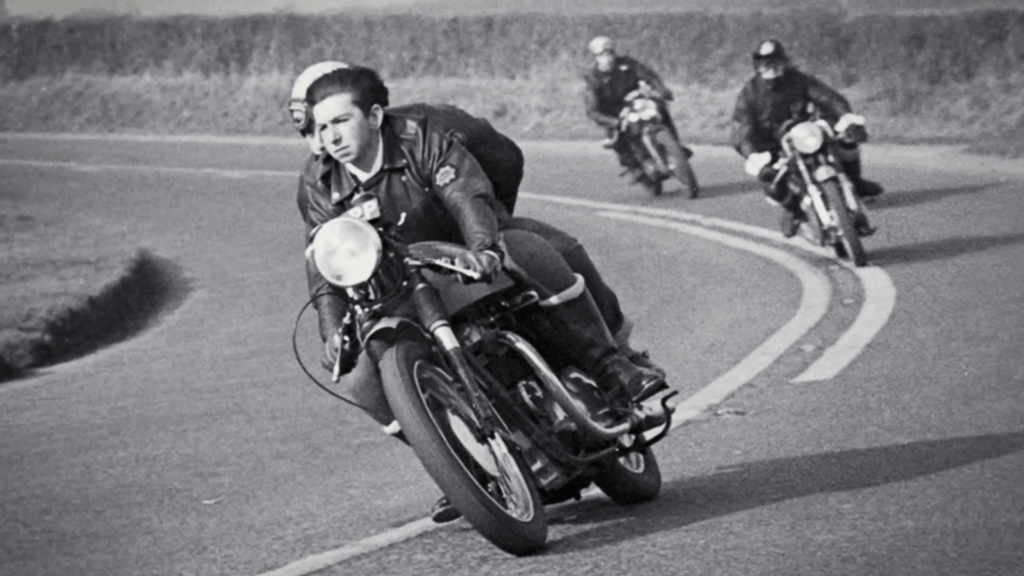
You scroll through listings and see a stock motorcycle called a cafe racer. That label makes you pause. You start to question what the term really means and how it shifted from a specific culture to a broad marketing phrase.
You look back to the roots in Britain, where young riders chased speed between roadside cafes on stripped-down, race-inspired bikes. You see how faster machines, rock music, and youth identity shaped a style built on both performance and image. As years pass, new brands, global trends, and modern sport bikes reshape the scene, yet riders still chase the same simple goal: a fast, personal machine that reflects who you are.
Key Takeaways
- You trace how speed, style, and youth culture shaped the original scene.
- You see how global brands and new bikes changed the meaning over time.
- You understand why riders still seek simple, fast, personal machines today.
What You Mean When You Say “Cafe Racer”
You throw the term around a lot today. I saw a stock Royal Enfield Interceptor labeled a cafe racer, and that pushed me to ask what the name really means.
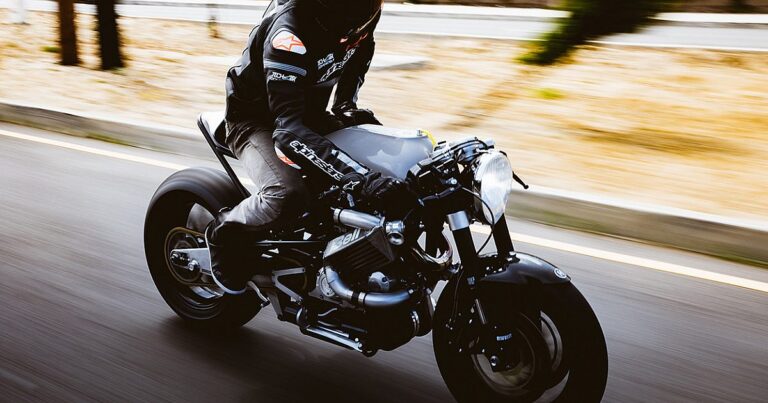
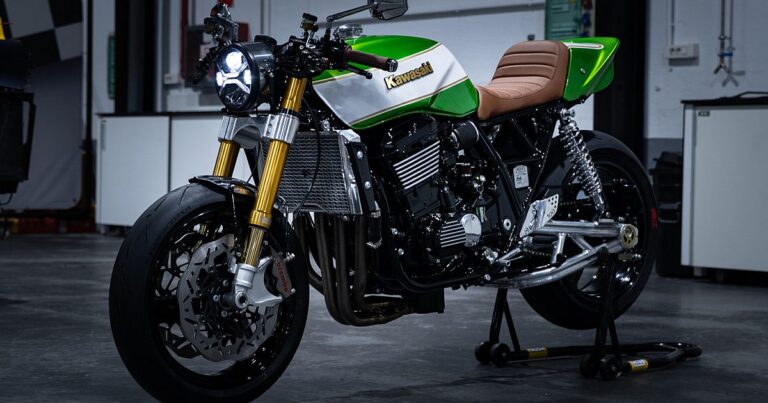
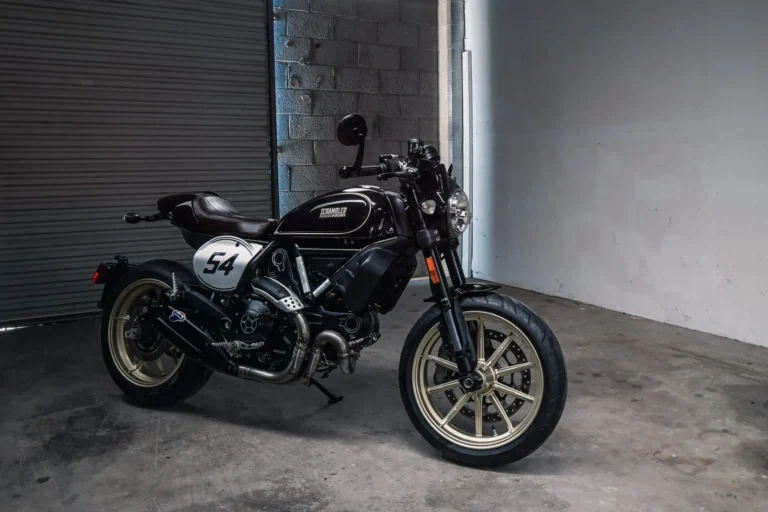
A cafe racer is not just a standard bike with a trendy tag. You are talking about a machine built for speed, style, and personal effort, shaped by a specific time and culture.
Where the Idea Took Shape
In the 1950s, British performance bikes kept getting faster. Brands like BSA, Norton, Triumph, Vincent, and Velocette pushed production motorcycles past 100 mph.
You could buy a bike with race-bred parts and then tune it for:
- Better aerodynamics
- Less weight
- More power
Racing events like the Isle of Man TT drove this progress. Bikes such as the Norton Manx and BSA Gold Star brought race technology to regular riders.
The Role of Youth Culture
At the same time, rock music gave young riders in Britain a shared identity. You saw the rise of the rockers, and for them, music and motorcycles were linked.
They dressed the part:
- Leather jackets
- Engineer boots
- Jeans
Despite the tough look, they mostly rode to cafes for coffee, not bars for drinks. Style always played a key role. That has been true from the start.
Why “Cafe” Racer?
You got the name from the riders’ habits. They raced between cafes around London, often pushing their bikes past “the ton”—100 mph.
The Ace Cafe, set along the North Circular Road, became a main meeting point. If you owned a bike that could hit 100 mph and looked race-ready, you earned respect.
The Look and the Hardware
The Clubman style shaped what you now call a cafe racer. The Clubman TT racing series influenced production bikes, especially the BSA Gold Star.
You would often see:
- Clip-on handlebars that forced you to tuck low
- Removable parts like headlights for racing
- Lightweight and tuned engines
Owning a race-focused machine—whether a Norton, Royal Enfield, or BSA—gave you credibility.
Going Global
In the 1960s, the style spread beyond Britain. Riders modified British twins like the Bonneville and Norton Dominator, but also smaller bikes and Italian 250s.
Custom builders such as Dunstall and Rickman pushed performance even further. Royal Enfield joined in with the Continental GT, one of the iconic factory-built examples.
Accessory companies made parts easy to get. Now you could turn almost any bike—British, Japanese, or American—into a cafe racer.
The Japanese Shift

Early Japanese models like the Honda CB92, Super Hawk, and CB450 “Black Bomber” worked well for this style. They offered strong performance and clean looks.
Then the Honda CB750 changed everything. It raised the bar for power and reliability, but many riders felt it lacked the sharp handling of British twins. Builders responded by fitting CB750 engines into British-style frames.
Manufacturers soon leaned into the trend. European brands like Ducati, Laverda, MV Agusta, Moto Guzzi, and BMW released production bikes with clear race styling. Some, like the MV Agusta 750S, came close to factory cafe racers.
Decline and Return
In the late 1970s and 1980s, fully faired sport bikes like the Suzuki GSX-R750 and Kawasaki Ninja 900 took over. They delivered top performance straight from the factory.
You could argue they carried the cafe racer spirit forward. Still, the stripped-down look faded, and the scene shrank through the 80s and 90s.
As horsepower wars pushed bikes faster, some riders grew tired of high-tech machines. They started to miss the raw, simple feel of older bikes.
When you say “cafe racer,” you point to that mix of speed, customization, culture, and style that first came together in mid-century Britain—and that riders keep chasing today.
Origins Of The Cafe Racer Movement
You see the term cafe racer used loosely today. I started thinking about what it really means and how it began. The roots go back to a time when speed and image came together in a new way.
Speed And Image In Early Riding Culture
You have always seen a link between performance and style in motorcycling. Fast bikes carried a certain presence, no matter the decade.
Before the 1960s, riders chased speed, but they did not yet use the term cafe racer. In the 1950s, regular riders began building their own fast machines. They tuned them for lighter weight, better aerodynamics, and more power.
You could now buy bikes that brought race technology to the street. Some models pushed past 100 mph, which riders called “doing the ton.” That level of speed became the standard.
British Engineering And Racing Influence
You watched British brands push limits during the 1950s. Companies like BSA, Norton, Triumph, Vincent, and Velocette built faster production motorcycles each year.
Racing shaped these machines. Events like the Isle of Man TT drove innovation. Bikes such as the Norton Manx and the BSA Gold Star gave everyday riders access to race-bred performance.
The Clubman TT series also left a mark. It inspired features like:
- Clip-on handlebars
- Removable headlights
- Race-focused trim
Clip-ons forced you to lean forward in a racing tuck. That riding position became a clear symbol of cafe racer style.
Youth Identity And The Rockers
In the 1950s, youth culture changed in Britain. Rock music gave young riders a shared identity. You saw the rise of the Rockers.
For them, music, motorcycles, and image formed one culture. They wore:
- Leather jackets
- Engineer boots
- Jeans
Despite their tough look, many Rockers did not drink. They rode to cafes for coffee, not to bars. Style always played a central role in this scene.
Cafes, The Ace, And High-Speed Runs
You cannot separate cafe racers from the cafes themselves. Riders gathered at roadside spots around London.
The most famous was the Ace Cafe, set along the North Circular Road. The location allowed long, fast runs.
Riders would race between cafes, often aiming to hit 100 mph or more. Owning a fast British twin or single—like a Gold Star, Bonneville, or Dominator—earned you respect.
The term cafe racer came from this habit. You rode hard to the cafe, showed your machine, and proved it could do the ton.
Main Forces That Shaped Cafe Racer Culture

Changes In Motorcycle Engineering And Style
You see the roots of cafe racer culture in the fast British bikes of the 1950s. Brands like BSA, Norton, Triumph, Vincent, and Velocette pushed speed higher, helped by racing events such as the Isle of Man TT.
Models like the Norton Manx and BSA Gold Star brought race features to everyday riders. You could buy a production bike that reached 100 mph and then tune it for less weight, better airflow, and more power.
Later, Japanese bikes changed the scene. The Honda CB450 gave you a strong base for a quick street build. Then the Honda CB750 raised the bar for power and reliability, even if some riders felt it lacked the sharp handling of British twins.
As fully faired sport bikes like the Suzuki GSX-R750 and Kawasaki Ninja 900 arrived, factory performance improved. These bikes delivered speed and comfort, but they also shifted attention away from the stripped-down cafe racer look.
Youth Identity And The Rise Of Rock Culture
You cannot separate cafe racers from 1950s British youth culture. Rock music gave young riders a shared identity and a clear image.
The Rockers tied music, motorcycles, and style together. You wore leather jackets, engineer boots, and jeans. Your bike and your look matched.
Cafes became your main meeting spots. Places like the Ace Cafe on London’s North Circular Road gave you space to gather and race between stops.
Despite modern myths, early Rockers did not live like outlaw bikers. They focused on image, speed, and coffee runs. Style always mattered, and that focus on appearance still shapes cafe racer culture today.
Clubman Racing Roots And Custom Builds
The Clubman TT racing series influenced how you built and rode your bike. BSA’s Gold Star dominated, and its race-focused trim became a model for street builds.
Clubman bikes used practical race parts:
- Clip-on handlebars for a tucked riding position
- Removable headlights for track use
- Lightweight setups focused on speed
Clip-ons became a clear symbol of cafe racer style. When you rode a Clubman-inspired bike, you showed that performance came first.
As the movement spread worldwide in the 1960s and 1970s, accessory companies made custom parts easy to buy. You could convert British, Japanese, American, or Italian bikes into cafe racers with tuning parts or full body kits.
Even manufacturers joined in. European brands like Ducati, Laverda, MV Agusta, Moto Guzzi, and BMW released race-inspired production models. Harley-Davidson also produced bikes that copied the look.
When interest faded in the 1980s, only a small group kept building cafe racers. Later, as superbikes grew more complex and powerful, some riders began to miss the simple, raw feel of earlier machines. That desire helped bring cafe racer style back into focus.
Worldwide Growth Of Cafe Racer Culture
Japanese And Italian Machines Enter The Scene
You start to see the style move beyond Britain in the 1960s. Riders still favor bikes like the Bonneville, Norton Dominator, and BSA Gold Star, but smaller bikes and even Italian 250s join the mix.
Performance reaches a high point. Tuners like Dunstall build hot-rodded Nortons that push past 120 mph. Rickman frames and Royal Enfield’s Continental GT show that factory bikes can target this trend.
Independent parts suppliers change everything. You can now buy:
- Clip-on handlebars
- Rearset foot controls
- Tuning parts
- Full bodywork kits
That access lets you turn almost any motorcycle—British, Japanese, or American—into a cafe racer. The style spreads fast and stands alongside choppers as a major custom trend.
The Universal Japanese Motorcycle Takes Hold
As the movement expands, Japanese bikes give you a new base to modify. Early models like the Honda CB92, the Super Hawk, and the dual overhead cam CB450 “Black Bomber” fit the look well.
The CB450, with its black and silver paint, already looks right for a fast road build. It offers strong performance and becomes a solid platform for riders who want a quick custom machine.
These bikes help define what people call the Universal Japanese Motorcycle (UJM). They are practical, adaptable, and ready for modification.
The Game-Changer: Honda CB750
Then Honda releases the CB750, and the scene shifts.
This bike pushes the whole industry forward. It raises standards for reliability and build quality. It delivers strong power and modern features.
But when you ride it as a cafe racer, you notice something. It does not handle like the lighter British twins and singles. So in the 1970s, builders start fitting CB750 engines into British-style frames to get the handling they want.
The CB750 forces you to rethink what a cafe racer can be.
How Manufacturers Reacted
By the 1970s, major brands want in. They begin producing bikes that look race-ready straight from the showroom.
European companies lean into this style:
- Ducati
- Laverda
- MV Agusta
- Moto Guzzi
- BMW
Models like the Ducati 750SS and BMW R90S show clear cafe racer influence. The MV Agusta 750S stands out as a true factory-built example, though its high price keeps it rare.
At the same time, fully faired sport bikes rise in the late 1970s and 1980s. Bikes like the Suzuki GSX-R750 and Kawasaki Ninja 900 deliver high performance straight from the factory.
These machines outperform the old stripped-down builds. As a result, the raw cafe racer style fades. Only a small group keeps building them through the 1980s and 1990s, while other custom trends grow stronger.
Move Toward Modern Classics

From Stripped Builds To Full-Fairing Sport Machines
You watch the scene change in the late 1970s and early 1980s. Fully faired sport bikes like the Suzuki GSX-R750 and Kawasaki Ninja 900 start to dominate.
These bikes deliver high performance straight from the factory. They handle better, go faster, and need fewer modifications.
In many ways, they act like modern cafe racers. They chase speed and sharp handling. But they replace the raw, stripped look with plastic fairings and race-focused design.
As this shift happens, the traditional cafe racer style fades. What once filled cafes and side roads becomes rare through the 1980s and 1990s.
Return Of Vintage-Inspired Machines
While horsepower wars push bikes to new extremes, some riders lose interest in high-tech machines. Superbikes and hyperbikes grow faster each year, but they feel different.
You start to see riders want something simpler. They miss the feel of older British twins and singles. They miss the connection to machines built for the road, not just the track.
A small group keeps the cafe racer style alive by modifying older bikes. The numbers stay low, especially compared to the rising chopper scene.
Even so, interest in classic styling never fully disappears.
How Brands Brought The Style Back
Manufacturers notice the appeal of race-inspired looks decades earlier. In the 1970s, European brands like Ducati, Laverda, MV Agusta, Moto Guzzi, and BMW release production bikes with clear racing influence.
Models such as the Ducati 750SS, BMW R90S, and MV Agusta 750S carry factory-built cafe racer traits. Some come with high price tags, but they show that companies see value in the style.
Earlier, Harley-Davidson also tries to capture the look. At the same time, frame builders create British-framed Honda CB750s to improve handling.
You can see a pattern. When riders want race-bred style and strong performance, manufacturers respond.
The cycle continues as modern performance grows more extreme and riders begin looking back to simpler, classic-inspired machines once again.
Custom Scene Revival And Modern Trends
The Modern Alt Custom Movement
You see how people now call a stock bike a cafe racer, even when it has no real changes. That shift shows how wide the term has become.
In the early days, you built your own machine for speed and style. You chased 100 mph on British bikes like Norton, BSA, and Triumph. You wore leather, rode to cafes, and cared as much about image as performance.
Today, many riders copy the look. Some call that fake. But style has always shaped this scene. Even the original rockers focused on appearance as much as speed.
Impact Of Builders, Tuners, And Parts Makers
You benefit from a long history of builders and race shops. In the 1960s, names like Dunstall and Rickman pushed bikes past 120 mph and improved frames for better handling.
Independent parts suppliers changed everything. You could buy:
- Clip-on handlebars
- Rearsets
- Tuning kits
- Full bodywork
That access let you turn almost any bike into a cafe racer. British, Japanese, or American—it did not matter.
When the Honda CB750 arrived, it brought power and reliability. But it did not handle like the British twins riders loved. So builders placed CB750 engines into British-style frames. You kept the power and gained sharper handling.
Manufacturers noticed. Ducati, BMW, Moto Guzzi, MV Agusta, and others released race-inspired production bikes. Some looked ready for the track straight from the showroom.
The Role Of Deus Ex Machina And Style Brands
As the years passed, fully faired sport bikes like the GSX-R750 and Ninja 900 took over. They offered better performance right out of the crate.
That shift pushed the stripped-down cafe racer out of the spotlight. The raw look faded while high-tech sport bikes ruled the streets.
Later, riders began to miss the older feel. They wanted simpler machines. They wanted something that felt personal, not just fast.
Brands and shops helped bring that style back into focus by blending motorcycles, fashion, and culture—much like the rockers once did with music and riding.
DIY Spirit And Easier Access
You now live in a time where parts and information are easy to find. That mirrors the 1960s, when accessory companies made customization possible for more riders.
Back then, the rise of the Universal Japanese Motorcycle gave you a new base to modify. Bikes like the CB450 and early Hondas worked well for custom road builds.
The pattern stays the same:
| Then | Now |
|---|---|
| British twins and singles | Modern retros and standards |
| Clip-ons and race seats | Bolt-on kits and custom parts |
| Small race shops | Global aftermarket brands |
You chase the same idea riders chased decades ago. You want speed. You want style. And you want a machine that reflects you.
The Modern Cafe Racer Scene
Market Trends And Current Interest
You see the term cafe racer used loosely today. Sellers often label a stock bike, like a Royal Enfield Interceptor, as a cafe racer even when it has no real changes.
That shift shows how broad the label has become. What once described a focused style with clear performance roots now applies to many standard motorcycles.
Manufacturers still build bikes that look race inspired. European brands offer models that echo older race machines, much like they did in the 1970s with bikes such as the Ducati 750SS or BMW R90S.
At the same time, modern sport bikes already deliver extreme speed and handling from the factory. In raw numbers, they exceed what early cafe racers could reach.
How Rider Tastes Have Shifted
You live in a time of superbikes and hyperbikes. Many of these machines can reach 100 mph with ease, often in low gears.
Yet some riders grow tired of high speed and heavy bodywork. They want a simpler ride that feels more direct.
Earlier cafe racers focused on stripped-down form, clip-on bars, and a tucked riding position. Modern performance bikes offer more comfort and technology, but they can feel less raw.
That desire for a more basic experience fuels interest in older styles.
Impact Of The Scrambler Movement
Custom trends rise and fall. In the
The Lasting Drive Behind Cafe Racer Culture
You see the term cafe racer used loosely today. I even saw a stock Royal Enfield Interceptor labeled that way. That pushed me to look closer at what the name really means and how it changed over time.
From the start, you connect speed with style. Before the 1960s, fast bikes carried presence, but riders had not yet fused personal style and home-built performance in the same clear way.
In the 1950s, British brands pushed production bikes to new limits. Race events like the Isle of Man TT drove progress. You could buy machines inspired by racing that reached 100 mph and then tune them for more speed, less weight, and better aerodynamics.
At the same time, youth culture shifted.
Rock music shaped identity. If you rode in Britain, you likely tied your bike to the rocker scene. Leather jackets, engineer boots, and jeans marked your group. You rode to cafes for coffee, not bars for drinks. Style always played a role, and that has never changed.
The name came from your habit of racing between cafes around London. The Ace Cafe, set along the North Circular Road, became a key meeting spot. Hitting “the ton” — 100 mph — stood as your benchmark.
What Set Your Bike Apart
- Clip-on handlebars that forced you to tuck low
- Removable parts like headlights for race trim
- British twins and singles such as the Gold Star or Dominator
- A focus on speed, weight loss, and handling
By the 1960s, the movement spread beyond Britain. You still favored Bonnevilles, Dominators, and Gold Stars, but tuned specials from builders like Dunstall and Rickman raised the bar. Even factory bikes like the Continental GT joined the trend.
After that, access changed everything. Independent suppliers sold tuning parts and full body kits. You could turn almost any bike—British, Japanese, or American—into your version of a cafe racer.
Japanese models soon entered the mix.
Early bikes like the CB92, Super Hawk, and CB450 worked well for fast road builds. Then the Honda CB750 arrived. It raised standards for power and reliability, but you often felt it lacked the sharp handling of British twins. Builders responded with British-framed CB750 customs.
By the 1970s, manufacturers leaned into the style. European brands released race-inspired road bikes that looked ready for the grid. Some, like the MV Agusta 750S, carried a high price but clear cafe racer influence.
Then the fully faired sport bike took over.
Machines like the GSX-R750 and Ninja 900 delivered factory performance that outmatched old builds. They handled better and ran faster, yet their high-tech design pushed aside the stripped look you once valued. Through the 1980s and 1990s, only a small group kept building classic-style cafe racers.
As horsepower wars escalated, bikes grew faster and more complex. Some riders began to feel disconnected. Even if modern superbikes captured the speed, they did not always deliver the raw, hands-on feel you sought.
That desire for a simpler, rider-built machine kept the cafe racer spirit alive.
Nuoroda į informacijos šaltinį
About the Author