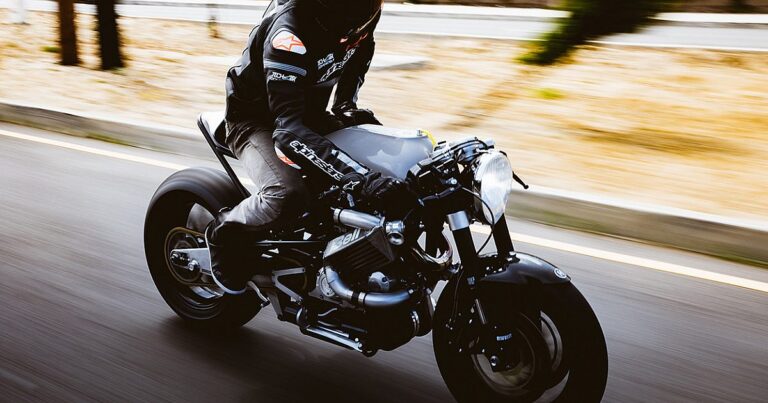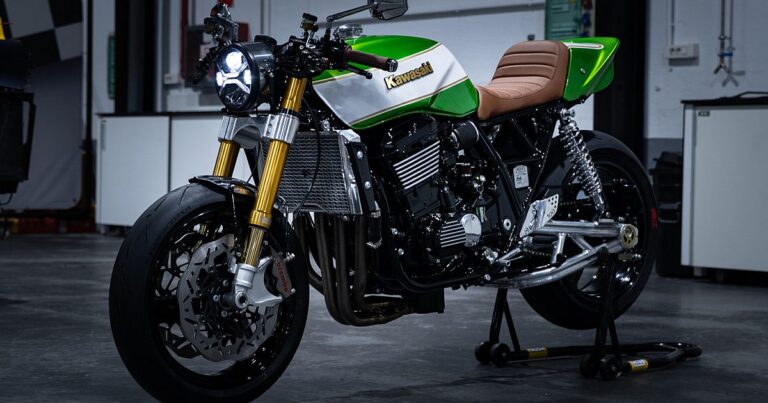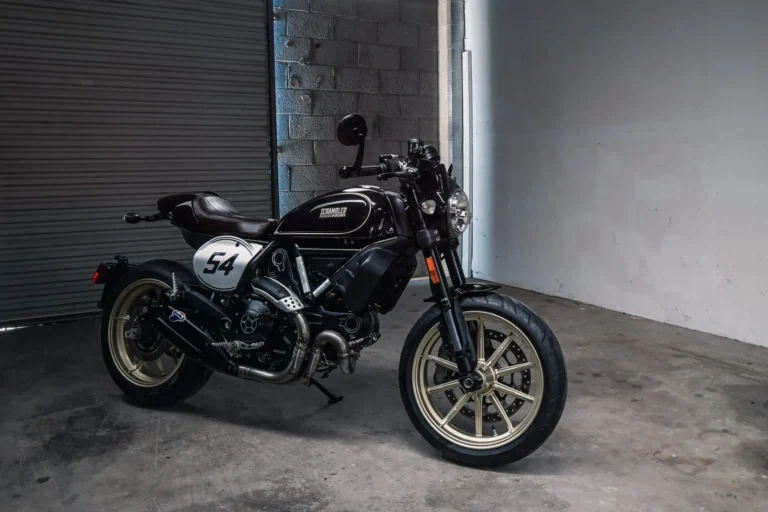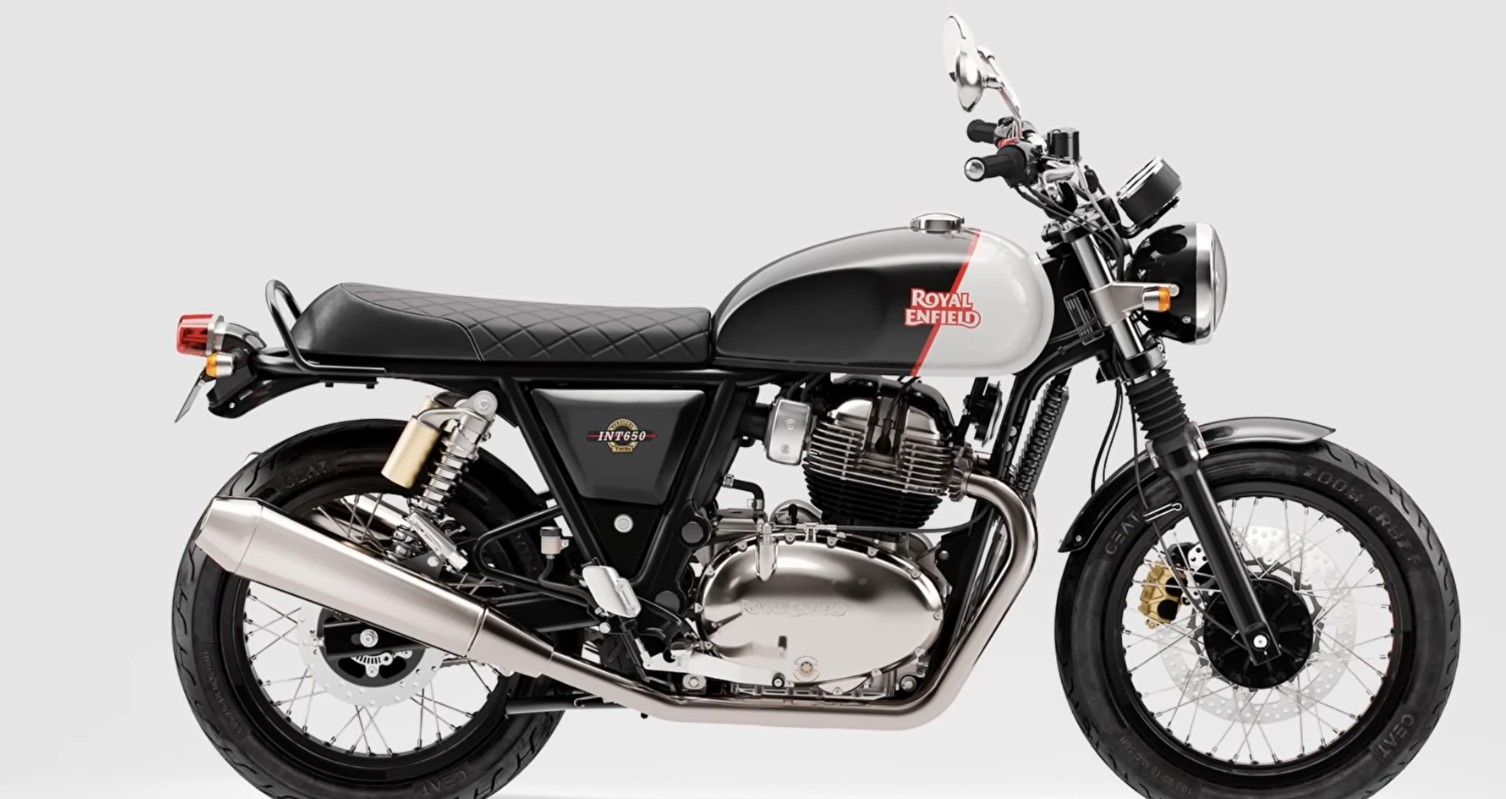
While scrolling through online listings for Royal Enfield Interceptors, one rider noticed something odd. Someone had listed a completely stock Interceptor and called it a cafe racer.
That raised a real question: what actually makes a cafe racer, and how has the term changed over the years?
The link between performance and style in motorcycling goes way back. Before the 1960s, fast and aerodynamic bikes always turned heads.
But the cafe racer movement brought style and performance together in a way that felt fresh. Regular riders chasing speed on customized motorcycles existed long before anyone said “cafe racer,” but the 1950s really set the scene for this shift.
Key Takeaways
- Cafe racers started in 1950s Britain when young riders customized fast bikes to race between coffee shops.
- The movement spread worldwide in the 1960s, moving from British bikes to Japanese and European motorcycles.
- After fading in the 1980s thanks to modern sport bikes, cafe racers came back as riders started looking for simpler rides.
Understanding the Cafe Racer
Key Characteristics of a Cafe Racer
 katros suzuki
Performance and style have always gone hand in hand in the motorcycle world. Before the 1960s, they just didn’t blend quite like they did with cafe racers.
The heart of the cafe racer idea is simple. It’s a regular rider who wants speed on a custom motorcycle they’ve made their own.
This idea existed before anyone called it a “cafe racer” in the 1960s.
The Foundation (1950s)
The 1950s set the groundwork in a few key ways:
- British manufacturers like BSA, Norton, and Triumph started building faster bikes.
- Smaller brands like Vincent and Velocette kept pushing limits.
- The Isle of Man TT race fueled competition and new ideas.
- Bikes like the Norton Manx and BSA Gold Star brought race tech to everyday riders.
These bikes could break 100 mph. Riders found them easy to modify for better aerodynamics, less weight, and more power.
Cultural Roots
 rise of cafe racers
Rock music gave young British motorcycle fans a new identity. They formed a group known as the rockers.
Music and riding blended into one lifestyle for them. Rockers had a distinct look:
- Leather jackets
- Leather engineer boots
- Jeans
Despite the image, the rockers weren’t really wild. They preferred coffee at cafes over drinks at bars. Most didn’t drink much at all.
Cafe racer culture has always been about style, even back in the 1950s.
The Name
The term came from where these riders hung out. They raced at speeds up to 100 mph between cafes around London.
The famous Ace Cafe became the main gathering spot. It sat on the North Circular Road, perfect for going fast.
Hitting 100 mph, or “doing the ton,” was always the big goal. In the 1950s, that dream finally felt within reach.
The Clubman Influence
A new British bike style showed up: the Clubman. The Clubman TT was a short racing series where BSA ruled with their Gold Star.
These bikes had removable parts like headlights for racing. Clip-on handlebars forced riders to lean forward, like real racers.
Owning a race-ready bike earned you real respect.
Going Global (1960s)
The movement spread beyond Britain in the 1960s. British riders stuck with bikes like the Bonneville, Norton Dominator, and BSA Gold Star.
Others started using smaller bikes and Italian 250s. Notable custom builders appeared:
| Builder | Notable Work |
|---|---|
| Dunstall | Norton Dominator tuned to 120+ mph |
| Rickman | Custom-framed British bikes |
Royal Enfield released the Continental GT, one of the best-known factory cafe racers of the 1960s.

Independent Parts
Independent parts suppliers helped the style spread everywhere. Riders could buy tuning parts and full bodywork kits. Pretty much any motorcycle could become a cafe racer.
Japanese and American bikes started getting the treatment too—modified for both performance and that unmistakable look.
Japanese Motorcycles
Japanese bikes turned out to be perfect for customizing. Early standouts included the CB92, Super Hawks, and CB450 twins.
The CB450—nicknamed the black bomber—made a fast, sharp-looking custom. Its black and silver paint just looked right for the cafe racer vibe.
The Honda CB750 changed everything. It was powerful, reliable, and packed with features.
But it didn’t handle quite like the British twins and singles cafe racers loved. Chassis builders fixed this by putting CB750 engines in British frames during the 1970s.
Factory Cafe Racers
Manufacturers wanted in on the trend during the 1970s. European brands started selling race-inspired production bikes:
- Ducati 750SS
- Laverda models
- MV Agusta 750S
- Moto Guzzi bikes
- BMW R90S
The MV Agusta 750S cost as much as a small house. You didn’t see it much at cafes, but it was a real-deal factory cafe racer.
The Decline
The scene faded in the late 1970s and 1980s. Fully-faired sport bikes took over. Motorcycles like the Suzuki GSX-R 750 and Kawasaki Ninja 900 offered better performance straight from the factory.
The stripped-down look of cafe racers got pushed aside. High-tech race bikes and touring motorcycles became the new favorites.
A small group of custom builders kept making cafe racers through the ’80s and ’90s, but they were few and far between. Meanwhile, the chopper scene exploded in popularity.
The Return
Honestly, nobody saw the comeback coming. As motorcycles got faster during the horsepower wars, some riders started to feel let down.
Superbikes and hyperbikes could do 100 mph in second gear. But something about them felt… off. Riders started missing the old-school experience.
Common Misconceptions
People often call any standard motorcycle a cafe racer. One person listed a completely stock Royal Enfield Interceptor and labeled it a cafe racer. That just shows how much the term gets thrown around these days.
Style vs. Reality
Some folks poke fun at modern cafe racer riders, saying they’re just copying old styles. They claim the original rockers were hardcore, and today’s scene is just dress-up. That doesn’t really hold up.
The original rockers were pretty clean-cut. They liked riding to cafes for coffee, not heading out for drinks. Cafe racer culture has always leaned into style, right back to the 1950s and those leather jackets.
Honestly, people who try to look like tough motorcycle club members are probably doing more “dress-up” than cafe racer fans ever did.
Not Just British Bikes
There’s also this idea that cafe racers have to be British motorcycles. Sure, British bikes ruled early on, but the movement spread worldwide. Italian, Japanese, and American bikes all got the cafe racer treatment. The style isn’t tied to one country anymore.
More Than Just Looks
Some folks think any bike with clip-on handlebars and a certain look is a cafe racer. Real cafe racers went beyond looks. Riders tuned engines and stripped off weight, not just bolted on parts.
How The Cafe Racer Movement Began
Bikers And Their Riding Groups
Performance and style have always worked together in the motorcycle world. But before the 1960s, nothing blended quite like cafe racers did.
Regular riders craved speed on bikes they customized themselves. That spirit existed even before anyone called it “cafe racer.”
The 1950s set the stage for this movement in a bunch of ways. A whole cultural world started forming around motorcycles. Rock music gave young British riders a new identity, and they became known as rockers.
For them, music and riding went hand in hand. It was all part of the same lifestyle.
This era turned adolescence into its own thing. Youth movements like the mods and rockers popped up everywhere. Rockers wore a specific uniform with their custom bikes:
- Leather jackets (the big symbol)
- Leather engineer boots
- Jeans
People today sometimes mock modern cafe racer culture for copying old styles. They assume the original rockers were tough and wild. In reality, the rockers were surprisingly clean-cut.
Their favorite rides took them to cafes for coffee, not bars for drinks. Most barely touched alcohol.
Cafe racer culture in the 1950s—with all those leather jackets—was always about style. The term “cafe racer” came from their favorite hangouts. Rockers raced up to 100 mph to and from these cafes around London. That’s what they loved.
The famous Ace Cafe pulled it all together. Sitting on the North Circular Road, it was just right for going fast.
British Bikes From The 1950s
Performance bikes from Great Britain kept getting faster in the 1950s. BSA, Norton, and Triumph led the charge.
Vincent and Velocette, though smaller, also pushed limits. These companies tested just how far production motorcycles could go.
The Isle of Man TT race really fired up the competition. Bikes like the Norton Manx and BSA Gold Star brought race tech to regular riders.
Suddenly, speeds over 100 mph were within reach for anyone. You could ride a bike that felt like it belonged on a track.
Customizing these bikes got easier too. People swapped parts for better aerodynamics, lighter weight, and more power.
Chasing “the ton”—100 mph—was the dream for British riders. This goal started way back in the 1920s with Brough Superiors.
But by the 1950s, snagging a bike that could do the ton wasn’t so rare anymore. More people could actually get their hands on one.
Rockers looking for speed started riding a new kind of British bike. They called it the Clubman.
The Clubman TT was a short racing series in Great Britain. BSA pretty much owned it with their Gold Star.
The Clubman trim let riders strip off parts for racing:
- Removable headlights
- Clip-on handlebars
Clip-ons forced riders to hunch down like real racers. They became a badge of honor for these bikes.
Owning a race-ready bike gave you street cred in the 1960s. It didn’t matter if it was a Norton, Royal Enfield, or that legendary Gold Star.
Music And Young People’s Identity
Rock music was just becoming a thing. It gave young British motorcycle fans a whole new sense of themselves.
The rise of the rockers created a group identity. For these riders, music and riding just blended together.
Adolescence started to stand out as its own phase during this era. Youth movements popped up all over the place.
Rockers had their own look to match their custom bikes. The leather jacket became their symbol.
These rockers weren’t the hard-edged, wild riders some folks imagine now. They actually liked cafes more than bars.
Style and bikes mattered most to them. That set them apart from the usual biker stereotypes.
Racing between cafes at crazy speeds was their favorite thing. Cafes turned into hangouts where everyone met up.
Mixing music, youth identity, and motorcycles created something new. It’s hard to say if anything quite like it had come before.
The Ace Cafe And The Rise Of The Cafe Racer
A Hub For British Motorcycle Culture
The Ace Cafe pulled everything together. It sat right on the North Circular Road outside London—prime territory for anyone who wanted to go fast.
Rockers gathered at the Ace and other cafes around the city. They’d race their bikes between these spots, sometimes hitting 100 mph or more.
Doing “the ton” always meant something in England. Back in the 1920s, bikes like the Brough Superior set the standard. By the 1950s, it was within reach for far more people.
The Ace Cafe gave riders a place to show off their custom bikes and push them to the limit. The location made it easy to test speed right outside the door.
Where The Term Started
The name “cafe racer” came straight from where these riders hung out. Cafes were the go-to spots for rockers in their leather jackets.
Racing to and from these cafes at over 100 mph became their obsession. They weren’t heading out for a drink—they just wanted coffee and speed.
People started calling these bikes cafe racers because of this scene. You’d see them blasting from one coffee shop to another.
Racing Series That Shaped The Style
British bikes built for speed started catching on with rockers. These were the Clubmans.
The Clubman TT was a short-lived racing series in Great Britain. BSA’s Gold Star dominated the races.
The Clubman trim made it easy to pull off parts like the headlight for racing. It came with clip-on handlebars too.
Those clip-ons forced riders into a tucked racing position. They became a calling card for this type of bike.
Key Clubman features:
- Removable parts for racing
- Clip-on handlebars
- Race-ready setup from the factory
Whether you rode a Norton, Royal Enfield, or Gold Star, a race-ready bike meant real street cred. Popular models included the Norton MS and the BSA Gold Star.
These bikes put race tech and 100-plus mph speeds in the hands of regular riders. Suddenly, anyone could ride something that felt like a legit race bike.
Worldwide Growth And Changes
Factory-Built Cafe Racers From Britain And Italy
The cafe racer movement started spreading outside Britain in the 1960s. In Great Britain, most riders stuck with classics like the Bonneville, Norton Dominator, and BSA Gold Star.
Some folks branched out to smaller bikes and Italian 250cc machines focused on performance. This was really the golden age for cafe racers in Britain.
Custom builders like Dunstall built wild Norton Dominators that could top 120 mph. Rickman’s custom-framed British bikes turned heads everywhere.
Royal Enfield joined the trend with the Continental GT. It became one of the most recognizable factory cafe racers of the 1960s.
The cafe racer look caught on around the world. Independent parts suppliers helped by offering performance upgrades and body kits. With the right parts, any motorcycle could become a cafe racer.
Japanese and American bikes soon got the cafe racer makeover. Riders everywhere started tweaking their bikes for more performance and that unmistakable style.
The cafe racer scene grew big—almost as big as the chopper movement. Both became huge parts of custom motorcycle culture.
Key Factory Cafe Racers:
Growth Into Japanese And American Bikes
Japanese makers opened up new options for cafe racer fans as the trend went global. The first big Japanese bikes sold in the West worked great for conversions.
Early models like the CB92, Super Hawks, and the twin-cam CB450 all had the right vibe. The CB450, nicknamed the Black Bomber, made an ideal platform for fast custom road bikes.
Its black and silver paint looked right at home on a cafe racer. Universal Japanese Motorcycles gave riders solid, reliable platforms that were easier to work on than many British bikes.
Riders could modify them with a growing range of aftermarket parts. The cafe racer style no longer belonged to just one country or brand.
People everywhere started building their own versions using whatever bikes they had. It was a free-for-all in the best way.
What The Honda CB750 Changed
The Honda CB750 shook up the whole scene when it came out. Some folks say it’s the most important motorcycle ever built.
It pushed the Japanese bike industry forward and set new quality standards for everyone. The CB750 brought a lot to the table:
- Strong engine performance
- Reliability way beyond most British bikes
- Extra comfort features
- Sharp looks right out of the box
Cafe racer fans, though, noticed something was off. The CB750 didn’t handle like the British twins and singles they loved. Sure, it was fast and dependable, but it felt different on the road.
Chassis builders in the 1970s came up with a fix. They started dropping CB750 engines into British-style frames. That way, riders got Honda reliability with classic handling.
Bike makers saw how popular cafe racers were getting and wanted in. Production bikes started looking more like race machines.
Even Harley-Davidson jumped on the trend, releasing bikes that copied the cafe racer style. European brands like Ducati, Laverda, MV Agusta, Moto Guzzi, and BMW rolled out models with obvious cafe racer flair.
The 750SS and R90S really showed off that look. The MV Agusta 750S stood out from the crowd. With a price tag as high as a small house, you didn’t see it often at cafes or pubs—but it was the real deal, factory-built and all.
The Growth And Change Of Custom Motorcycles
Continental Bikes In The 1970s
The 1970s brought a new wave of style from European brands. Ducati, Laverda, MV Agusta, Moto Guzzi, and BMW started making production bikes that looked ready for the track.
These motorcycles had cafe racer style built in right from the start. The 750SS and R90S models really leaned into that look.
Few production bikes from this era captured the cafe racer spirit like the MV Agusta 750S. It cost as much as a small house, so you almost never saw one at the Ace Cafe or American pubs.
But it was the real thing—a true factory cafe racer. Even Harley-Davidson got in on the action, releasing bikes that mimicked the cafe racer style everyone wanted back then.
Sport Bikes Take Over
As the 1970s rolled into the 1980s, the cafe racer scene started to fade away. Fully faired sport bikes took over as the new obsession.
Motorcycles like the Suzuki GSX-R 750 and Kawasaki Ninja 900 shook things up. Riders suddenly had way better performance right out of the factory.
These bikes felt like modern cafe racers in spirit, but the raw, stripped-down look of the classics got sidelined. High-tech racing machines built for speed and long rides dominated the roads.
The cafe racer almost disappeared. It seemed like just another lost trend, like board track racers or dustbin fairing bikes.
A handful of folks still turned old bikes into cafe racers, but not many. Through the 1980s and 1990s, you’d rarely see anyone doing this.
Custom Choppers Versus Racing Style Bikes
While cafe racers faded, choppers became the big custom motorcycle trend. The horsepower war just kept going—motorcycles got faster every year.
Superbike and hyperbike categories popped up. Some riders started feeling let down by these new machines. They hit 100 mph in second gear, which is wild, but something felt off.
People missed the experience older bikes gave them. No one really saw the cafe racer revival coming, honestly.
Cafe Racer Revival And The Modern Era
Classic Bikes Make A Comeback
As the horsepower wars kept pushing motorcycles to the edge, something shifted. Superbikes and hyperbikes got faster and handled better than ever.
Some of these new bikes could hit 100 mph just in second gear. They carried some of the original cafe racer spirit, but they felt…different.
Riders started feeling disconnected from their machines. High-tech superbikes were amazing, but they just didn’t have the character of the old bikes.
People started craving that raw connection again. The nostalgia for vintage motorcycles sparked a whole new movement.
The Famous London Spot Opens Again
The Ace Cafe used to be the heart of cafe racer culture in the 1950s and 1960s. It sat right on the North Circular Road in London.
Riders raced to and from this legendary spot at crazy speeds. Then the cafe closed for a long time, standing empty while the scene faded.
Most folks figured it was gone for good. But then, the Ace Cafe reopened and brought the whole cafe racer vibe roaring back.
Riders from around the globe started making pilgrimages to check it out. The reopening really fueled new interest and gave the movement a home again.
Building Custom Bikes Old And New
The modern cafe racer scene welcomes both vintage and current motorcycles. Some builders restore classic British bikes, while others take modern platforms and give them a retro twist.
Popular vintage builds included:
Common modern platforms:
- Yamaha SR400 and SR500
- Honda CB series
- Triumph Thruxton
- Royal Enfield Continental GT
Japanese bikes from the 1970s became especially popular to customize. The Honda CB750 was a go-to. Builders also gravitated toward Kawasaki and Suzuki models.
Accessory suppliers made it easy to transform a plain motorcycle. Riders could just buy clip-on handlebars for that tucked riding position. Aftermarket seats instantly gave a bike that classic look.
| Modification Type | Purpose |
|---|---|
| Clip-on handlebars | Lower riding position |
| Rearset footpegs | Sportier ergonomics |
| Cafe seats | Classic styling |
| Exhaust systems | Better sound and performance |
| Custom tanks | Improved aesthetics |
Manufacturers started to notice this trend. They began making bikes that nailed the cafe racer vibe right from the factory. Those new models mixed vintage looks with modern tech.
The custom scene split into different camps. Some builders stuck to traditional methods and original parts.
Others mixed old and new components without hesitation. Vintage restorations focused on authenticity, chasing down original parts or the best reproductions.
These bikes aimed to look like they rolled out of the 1960s. Modern interpretations went for reliability, using current parts but keeping that classic style. They’d throw on modern brakes and suspension for better performance.
The Growth of Alternative Custom Motorcycles
Impact of Deus Ex Machina
The cafe racer scene stayed pretty quiet through the 1980s and 1990s. Most riders stuck to sport bikes and choppers then.
But as the 2000s hit, things changed. Riders started feeling disconnected from modern superbikes. Sure, these machines were blisteringly fast and handled like nothing else, but speed wasn’t everything.
The raw, hands-on experience of older motorcycles was missing. People wanted something different from the endless horsepower chase.
Growth of Key Custom Builders
A handful of builders started grabbing vintage motorcycles and stripping them down. Old British and Japanese bikes got lighter, clip-on bars went on, and simple mods boosted performance.
They mostly worked with machines from the 1960s and 1970s. Honda CB models were popular, but BSA and Norton bikes showed up too.
The point was to make lightweight, simple, fast bikes. Looks mattered as much as performance. Builders ditched unnecessary parts and added period-correct details to show off their own style.
Digital Groups and Building Your Own
Online forums changed the whole game. Builders could share ideas and photos with people all over the world.
Finding parts got way easier. You could source components from across the globe. Knowledge spread fast in these digital communities.
Key Elements of the Movement:
- Sharing build progress online
- Trading parts between builders
- Learning mechanical skills together
- Documenting projects with photos
People started building cafe racers in their own garages. You didn’t need a pro shop anymore—just basic tools and some stubbornness.
This DIY approach brought things full circle to the original cafe racer spirit. Riders customized their own bikes and learned how everything worked. Each build was personal and different.
The community side became huge. Builders helped each other out, solved problems together, and celebrated when a project finally hit the street. That support kept people going when builds got tough.
Modern Patterns And Issues
Changing Rider Wants
Some riders started feeling disconnected from the new superbikes and hyperbikes. These modern machines were insanely fast and handled way better than anything from the old days.
But something important was missing. People wanted the experience older bikes offered.
The never-ending chase for more horsepower had created bikes that were almost too advanced. While these machines honored the cafe racer spirit in some ways, they just didn’t have that certain quality the originals did.
Finding The Right Bikes
The CB750 was a game-changer. It pushed the Japanese motorcycle industry forward and raised the bar for reliability and quality.
But cafe racer fans had a gripe. The CB750 was powerful, reliable, comfortable, and looked good, but it didn’t handle like the British twins and singles that cafe racers loved.
During the 1970s, chassis suppliers offered British frames for CB750s. That let riders mix Japanese power with British handling.
Two Different Styles
I noticed something while scrolling through marketplace listings. There was a completely stock Interceptor up for sale, and the owner called it a cafe racer.
It made me wonder—what actually makes a bike a cafe racer? The term gets thrown around for bikes that are really just standard motorcycles.
Royal Enfield Interceptors are modern bikes that don’t fit the traditional definition, but people keep labeling them as cafe racers anyway.
What makes a real cafe racer:
- Highly customized by the owner
- Modified for performance
- Built for speed
- Stripped down look
The confusion just shows how much the meaning of “cafe racer” has shifted over the years.
What Cafe Racers Mean And Where They’re Going
Scrolling through Marketplace, I spotted a Royal Enfield Interceptor for sale. It was bone stock, not a single mod, but the seller called it a cafe racer.
That got me thinking—what even is a cafe racer these days? How did we get to the point where people use that term for almost any standard bike?
Speed And Style Together
Performance and style have always been tangled up in motorcycling. The fastest, slickest bikes always had a certain magic. But in the 1960s, the cafe racer movement did something different.
The real spirit comes from regular riders chasing the thrill of speed. They built highly customized bikes and made them their own. This vibe was around even before anyone used the term “cafe racer”—that only showed up around the 1960s.
How The 1950s Set Everything Up
The 1950s really laid the groundwork. Motorcycles got much faster, thanks to British companies like BSA, Norton, and Triumph. Vincent and Velocette joined the fun too.
These brands pushed production bikes to new limits. The Isle of Man TT race drove innovation and competition. Bikes like the Norton Manx and BSA Gold Star brought race tech to everyday riders.
Anyone could hop on a bike that went over 100 mph. They were easy to customize for better aerodynamics, less weight, and more power.
Music And Motorcycles Come Together
Something changed in British culture when motorcycles evolved. Rock music gave young riders a new sense of identity, and they called themselves the rockers.
For the rockers, music and motorcycles just blended together. Adolescence started to feel like its own phase of life. Youth movements like the mods and rockers popped up all over the place.
Rockers wore certain clothes to match their custom bikes:
- Leather jackets as the main symbol
- Leather engineer boots
- Jeans
The Real Story Of Rockers
People sometimes poke fun at modern cafe racer fans for copying old-school looks. Some claim the original rockers were tough and wild, while today’s riders just play dress-up.
But honestly, the rockers weren’t that wild. They usually rode to the next cafe for coffee, not bars for drinks. Most barely touched alcohol.
Cafe racer culture always leaned into style, right from the start. And really, that’s part of the fun. The folks pretending to be in hardcore clubs are probably the biggest cosplayers of them all.
Where The Name Came From
The name came from the rockers’ favorite hangouts—cafes. They used to race at crazy speeds, sometimes up to 100 mph, between these spots around London. That became their favorite thrill.
The Ace Cafe pulled everything together. It sat right on the North Circular Road, which made it perfect for going fast.
The Ton And The Clubman
If your bike could hit 100 mph, people called it “doing the ton” in England. Riders always chased this goal, ever since the Brough Superior days in the 1920s. By the 1950s, bikes that could do it were much easier to find.
Rockers looking for speed started a new British bike style. They called it the Clubman. The Clubman TT was a short racing series in Great Britain, and BSA’s Gold Star ruled it.
Clubman bikes had parts you could remove for racing, like the headlight. They also came with clip-on handlebars. Clip-ons forced you to tuck in, just like a real racer.
Owning a race-ready bike gave you some street cred. Popular models included:
- Norton
- Royal Enfield
- BSA Gold Star
Going Global In The 1960s
The cafe racer movement started spreading around the world in the 1960s. British riders mostly stuck with bikes like the Bonneville, Norton Dominator, and BSA Gold Star. Some switched to smaller machines, including Italian 250cc models.
The 1960s marked the peak of cafe racer performance. Custom builders like Dunstall tuned Norton Dominators to run over 120 mph. Rickman built custom frames for British bikes. Royal Enfield rolled out the Continental GT—still a classic factory cafe racer.
The cafe racer took off as a global style, both for riders and their bikes. Independent accessory shops made it easier. They sold tuning parts and full bodywork kits.
Pretty much any bike could become a cafe racer now. People modified Japanese and American bikes everywhere, chasing both looks and performance. The cafe racer scene exploded, right alongside the chopper world.
Japanese Motorcycles Enter The Scene
Universal Japanese Motorcycles became the new canvas for customizers as the movement spread. Japan’s first big bikes in Western markets already had a cafe racer vibe about them.
Models like the CB92, Super Hawks, and the double overhead cam CB450 twin fit right in. The CB450, called the Black Bomber, became a favorite for fast road builds. Its black and silver paint just looked right for a cafe racer.
The CB750 Changes Everything
The Honda CB750 really shook things up. The cafe racer scene just wasn’t the same after that. Some say it’s the most influential motorcycle ever built.
Honda pushed the Japanese industry forward with this bike. They raised the bar for quality and reliability across the board.
Still, cafe racer fans noticed something missing. The CB750 had power, comfort, and style. But it didn’t handle quite like the classic British twins and singles that many riders loved.
Chassis builders in the 1970s fixed this by selling British-framed CB750s. That helped a lot.
Manufacturers Join In
Manufacturers wanted a piece of the action around this time. Production bikes started looking more like race bikes. Even Harley-Davidson built models to mimic the cafe racer look.
European companies brought race-inspired style to their production bikes in the 1970s. Some of the key names:
- Ducati
- Laverda
- MV Agusta
- Moto Guzzi
- BMW
They started releasing bikes that looked ready for the track, even if they weren’t. The gorgeous 750SS and R90S models showed clear cafe racer influence.
The MV Ag
Wrapping Up the Cafe Racer Story
The horsepower war raged on, and motorcycles just kept getting faster. Superbikes and hyperbikes began to dominate the market.
Some riders started to get tired of these modern machines. Sure, the new bikes captured a bit of what the original cafe racers had, but it wasn’t quite the same.
These motorcycles handled way better than anything people rode to and from cafes in the past. Still, something got lost along the way.
Modern Performance vs Classic Appeal
Many of these bikes could hit 100 mph in just second gear. Impressive, right? But that raw connection riders used to feel just wasn’t there anymore.
People began to crave the experience that older bikes offered. The stripped-down feel and hands-on attitude faded a bit with all the tech and polish.
The cafe racer movement was always about more than just speed:
- Custom motorcycles built by their owners
- A specific style and culture
- The thrill of riding fast on a personalized bike
- Community at cafes and meeting spots
What Changed Over Time
Modern sport bikes brought serious technology and performance right out of the box. Riders didn’t need to customize them much, if at all.
That meant people couldn’t make these bikes their own in the same way. It left a gap between what the market offered and what some riders truly wanted.
Nostalgia for the cafe racer era started to build. The spirit of those British rockers on their modified Nortons and BSAs started to feel pretty distant.
They put in the work, customizing every part for better performance and looks. Buying a ready-made machine just doesn’t hit the same, does it?
Nuoroda į informacijos šaltinį
About the Author